Home Inspection Blogging Tips: Creating an Effective Home Inspection Blog

Starting a blog about home inspections can be a fantastic way to share valuable information, build trust, and connect with people who are navigating the complex world of real estate. Whether you’re a homebuyer, seller, or real estate agent, having access to clear, reliable insights can make all the difference. I’ve learned that creating an effective home inspection blog requires a mix of practical advice, engaging content, and a friendly tone that reassures readers. In this post, I’ll walk you through some essential tips to help you build a blog that truly serves your audience and supports your business goals.
Why Focus on Home Inspection Blogging Tips?
Blogging about home inspections is more than just sharing facts. It’s about helping people understand what to look for, what questions to ask, and how to make smart decisions. When you write with clarity and empathy, you become a trusted resource. Here are some key reasons why focusing on home inspection blogging tips matters:
Builds credibility: When you provide accurate, easy-to-understand information, readers see you as an expert.
Educates your audience: Many people don’t know what a home inspection involves or why it’s important.
Supports decision-making: Your blog can guide readers through the buying or selling process with confidence.
Improves SEO: Well-written, targeted content helps your website rank higher in search engines, attracting more visitors.
By keeping these goals in mind, you can create content that resonates and drives results.
How to Structure Your Home Inspection Blog for Maximum Impact
One of the biggest challenges in blogging is organizing your content so it’s easy to read and understand. Here’s a simple structure I recommend for your posts:
Start with a clear introduction: Explain what the post will cover and why it matters.
Use descriptive headers: Break your content into sections with clear, informative headings.
Keep paragraphs short: Aim for 2-4 sentences per paragraph to maintain reader interest.
Use bullet points and numbered lists: These make complex information easier to digest.
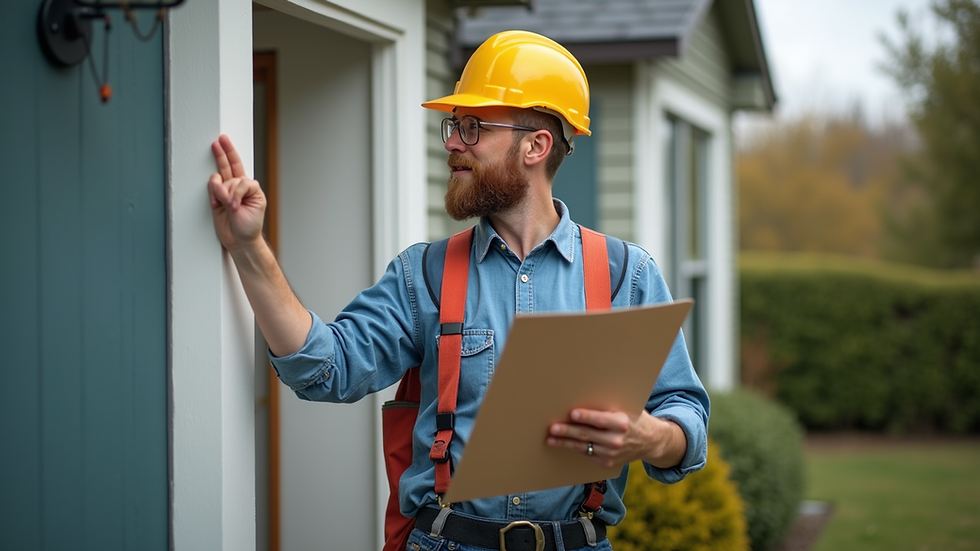
Include images: Visuals help explain concepts and keep readers engaged.
End with a helpful closing section: Summarize key points or offer next steps without calling it a “conclusion.”
This approach helps readers scan your content quickly and find the information they need.
What is the Biggest Red Flag in a Home Inspection?
When it comes to home inspections, some issues are more serious than others. The biggest red flag I often see is major structural damage. This can include:
Foundation cracks or shifts
Sagging or uneven floors
Roof damage that compromises the building’s integrity
Water damage affecting walls or ceilings
These problems can be costly to repair and may indicate deeper issues with the property. If you spot any of these during an inspection, it’s important to get a professional opinion and consider how it affects your buying or selling decision.
Other red flags to watch for include outdated electrical systems, plumbing leaks, and mold growth. Each of these can impact safety and value, so don’t overlook them.
Writing Content That Connects: Tips for Engaging Your Readers
To make your blog truly effective, you need to write in a way that feels personal and approachable. Here are some tips I use to keep my writing friendly and clear:
Use “you” and “I”: This creates a conversational tone that feels like a helpful chat.
Avoid jargon: Explain technical terms in simple language.
Be concise: Short sentences are easier to follow.
Offer examples: Real-life scenarios help readers understand abstract ideas.
Encourage questions: Invite readers to reach out if they want more info.
For example, instead of saying “The HVAC system should be inspected for operational efficiency,” try “You’ll want to check that the heating and cooling system works well to keep your home comfortable.”
Practical Ideas for Blog Topics That Attract Readers
Choosing the right topics is key to growing your blog audience. Here are some ideas that consistently attract interest:
How to prepare for a home inspection: Tips for sellers and buyers.
Common home inspection issues and how to fix them.
What to expect during a home inspection: Step-by-step guide.
Seasonal home maintenance checklists.
Questions to ask your home inspector.
Understanding your home inspection report.
Mixing educational posts with practical advice keeps your content fresh and useful. You can also share local insights, such as common issues in the Eau Claire and Chippewa Valley areas, to connect with your community.

Using SEO to Boost Your Home Inspection Blog’s Reach
To help your blog reach more people, you need to optimize it for search engines. Here are some simple SEO tips:
Use relevant keywords: Include terms like “home inspection,” “property inspection,” and your local area.
Write descriptive titles and headers: Make it clear what each post is about.
Add meta descriptions: Summarize your post in 150-160 characters.
Link internally: Connect related blog posts and pages on your website.
Use alt text for images: Describe your images clearly for better accessibility and SEO.
Remember, SEO is about helping people find your content, so focus on what your audience is searching for and answer their questions thoroughly.
Building Trust Through Consistency and Transparency
Trust is everything in the home inspection business. Your blog can help build that trust by being consistent and transparent:
Post regularly: Whether it’s weekly or biweekly, keep a steady schedule.
Be honest about limitations: If something is beyond your expertise, say so.
Share your credentials: Let readers know you’re qualified and experienced.
Respond to comments and questions: Engage with your audience to show you care.
By showing up consistently and providing honest, helpful information, you position yourself as a reliable partner in the home buying or selling journey.
Final Thoughts on Creating a Successful Home Inspection Blog
Starting a home inspection blog is a powerful way to educate, connect, and grow your business. By focusing on clear, friendly writing and practical advice, you can help people make informed decisions about their homes. Remember to organize your content well, use engaging visuals, and optimize for search engines to reach the right audience.
If you keep your readers’ needs front and center, your blog will become a trusted resource in the Eau Claire and Chippewa Valley communities. That’s the kind of partnership that leads to peace of mind and smart property investments for everyone involved.


Comments